When B2B Conferences Become Content Engines in 2026
Author:
Jan Kuczyński
Time to Read:
6 minutes
Conferences remain one of the few moments in the B2B calendar where customers, partners, experts, and industry voices gather in one physical environment. Beyond networking and presentations, these events hold a unique opportunity for authentic content capture that cannot be replicated in a studio, webinar, or edited announcement.
Instead of limiting conference participation to visibility at a booth, should increasingly consider using events as a recording spaces, content studios, and storytelling sources.
TL;DR
- Conferences are evolving from one-time visibility moments into long-term content sources.
- With experts, thought leaders, and customers already on site, content capture becomes easier—without extra travel, scheduling, or complex setups.
- Authentic on-site conversations, product demonstrations, and real reactions can be recorded in real time.
- A single recording day can generate a library of versatile assets for use across multiple formats and channels.
- This approach enables continuous communication, maintaining presence and supporting an ongoing narrative long after the event ends.
- The key enabler is advance planning: deciding what to capture, how, and where it will be used before the event begins.
Turning Events into Content Hubs
Conferences naturally create spontaneous expert commentary, unscripted reactions, authentic user perspectives, product or service demonstrations, and peer-to-peer conversations. These moments capture real insights and experiences as they happen, making them especially valuable as content that feels timely, credible, and relevant beyond the event itself.
All of these can be turned into:
- short video snippets
- highlight reels
- blog articles
- recap posts
- sound-bite interviews
- email content
- social media micro-formats
- thought leadership pieces
With this mindset, an event is no longer a single date — it becomes the anchor of a content ecosystem.
Audience-Relevant Content
Event-driven content resonates because it captures discussions, reactions, and perspectives in real time rather than recreating them later. Instead of generic wrap-ups, it delivers timely, context-specific insights that reflect what audiences were actually talking about on the floor—authentic, unscripted, and aligned with their current priorities. This immediacy makes the content naturally relevant across formats and channels.
The Role of Pre-Planning
Effective post-event content starts before arrival.
Planning includes:
- what themes to capture
- which voices to include
- how formats will be distributed later
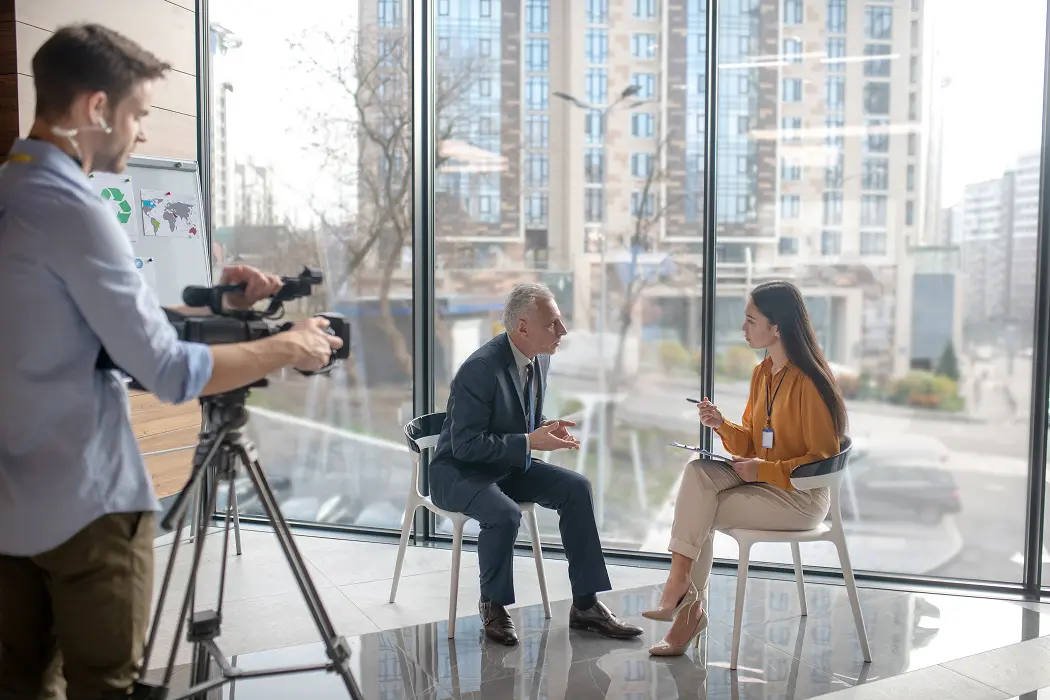
- interview setups and recording logistics
- camera placement, lighting, and sound
- scenography preparation, including backdrops, seating, and branding elements
- scheduled time with key experts
In practice, this approach follows a simple sequence: plan what to capture, record content on site, repurpose it into multiple formats, distribute it across relevant channels, and extend its use over time.
With this level of preparation, content creation becomes deliberate and aligned with defined communication goals.
Multi-Format Repurposing After the Event
Once the event concludes, the captured material turns into ongoing communication.
Typical content streams include:
- LinkedIn thought leadership clips
- insights-based blog articles
- customer or expert opinion highlights
- post-event summary videos
- newsletter features
- internal knowledge pieces
- short-form industry reflections
One recording day can support months of publication.
This approach supports long-term consistency without constant new production cycles.
Why This Works
Format and Authenticity
Event-driven content feels conversational and immediate — not staged. It reflects perspectives, debates, and insights happening in real time, which elevates its value for audiences.
Long-Term Utility
The event becomes a starting point rather than an end goal. Captured material fuels a continuous stream of messaging and reference points across channels.
Audience Reach
Different formats reach different audience behaviours:
- quick clips for social media
- detailed breakdowns for blogs and articles
- visual summaries for email communications
- interviews for knowledge hubs and thought leadership content
This versatility helps extend presence far beyond the venue.
Example in Practice
At a conference organised by GE HealthCare in Riyadh, our role focused on planning and delivering the full technical setup for on-site content capture. By structuring the recording flow and providing the necessary production environment, we were able to capture a wide range of materials during a single day. Based on this one event, we later produced an extensive set of assets used in communications months after the conference — including several podcast episodes (all recorded on-site), video presentations, and expert interviews. The event became the foundation for long-term storytelling rather than a one-off moment, supported by the main event video.


Key Takeaways
- Treat conferences as content engines, not single visibility moments.
- Plan themes, formats, and equipment before stepping onto the floor.
- Capture a range of content: expert voices, demos, reactions, and discussions.
- Convert raw footage into varied formats for long-term relevance.
- Use the event as the nucleus of continuous communication long after it ends
This model is particularly effective for organisations running annual conferences, regional summits, partner events, roadshows, or customer forums where access to experts and audiences is already concentrated in one place.
Closing Thought
In 2026, B2B conferences are no longer the sole purpose — they’re the beginning of sustained storytelling. When every conversation, perspective, and demonstration is captured and repurposed with intention, the event becomes a content source that continues to inform, inspire, and support meaningful communication long after the doors close.


Discover More
.webp)